Best Creatine Gummies
A practical guide to compare the options and choose according to your needs.
Read article
Do creatine gummies actually work? What the dose per gummy really means, how they compare to powder, stability concerns and how to check a label.

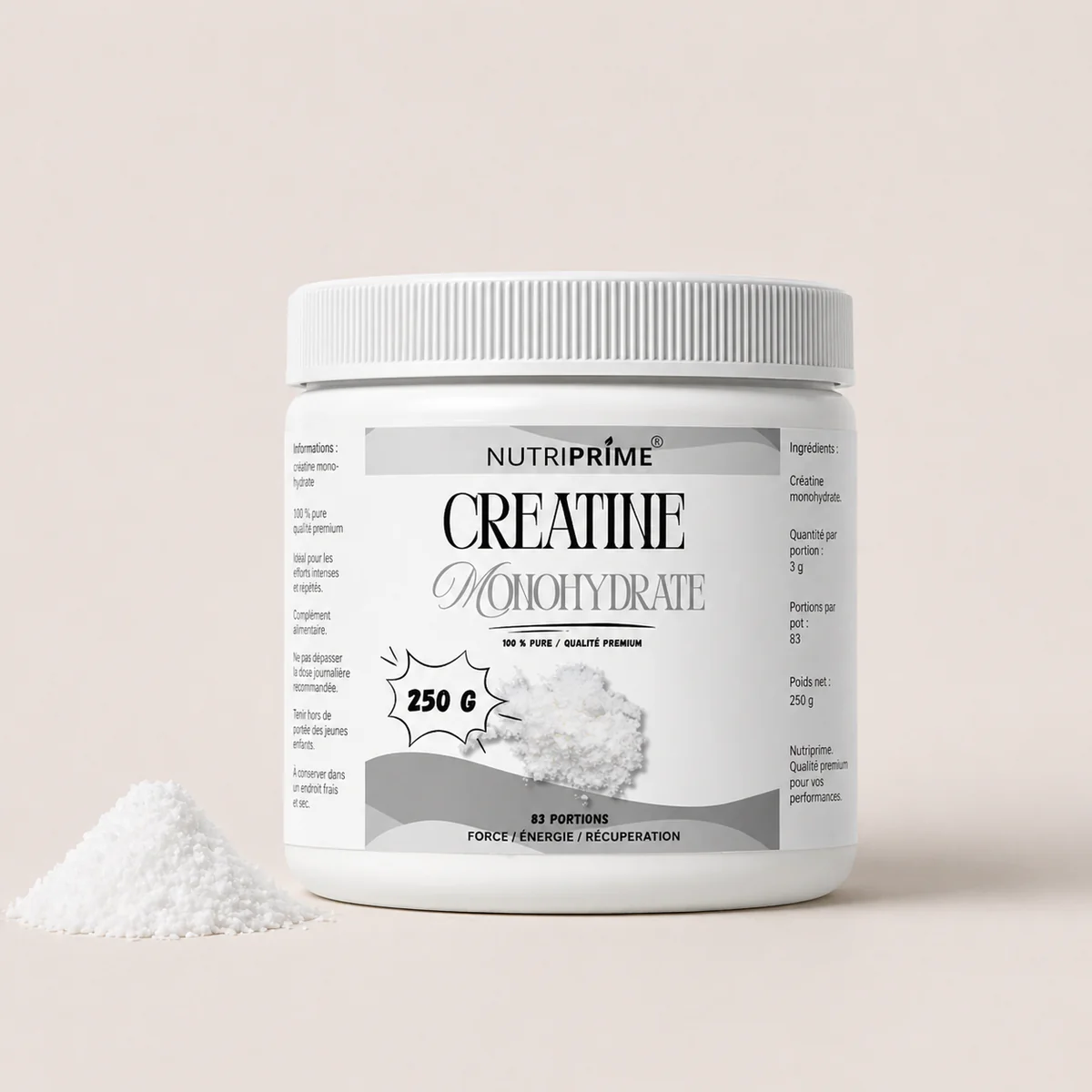
Creatine monohydrate works. That is one of the best supported findings in sports nutrition. The question with gummies is not whether the molecule works, but whether a given product delivers enough of it, and whether it stays stable in a chewable base.
Most gummies contain far less creatine per piece than the label suggests at a glance. A typical serving is one to two grams, which means reaching the commonly used five grams a day requires three to five gummies. Once you do that arithmetic, the price per gram usually tells the real story.
Code verified and valid for 2026
Creatine monohydrate is among the most studied supplements in existence. Decades of trials support its role in short duration, high intensity performance, and the safety profile in healthy adults is well characterised. None of that is in dispute, and none of it depends on the delivery format.
What has not been studied to the same degree is the gummy format itself. There is very little published work comparing absorption from a chewable base against a dissolved powder. In the absence of that data, the reasonable assumption is that the same molecule at the same dose behaves similarly, provided the product genuinely contains what it claims.
That last clause is the crux. Independent testing of the category has repeatedly found products delivering less creatine than stated. This is a formulation and quality control issue, not an argument against creatine.

The dose used in most research is around five grams a day for maintenance. Many gummies contain one gram per piece, some as little as 0.5 grams. Reaching five grams therefore means five to ten gummies daily, which changes both the cost and the sugar or sweetener load considerably.
Front labels rarely make this obvious. A container advertising sixty gummies sounds generous until you divide by the number needed per day, at which point a month's supply becomes twelve days. Working out cost per gram of creatine, rather than per container, is the single most useful thing a buyer can do in this category.
This is also where the honest comparison with powder becomes unavoidable. Monohydrate powder is inexpensive and sold in kilograms. Gummies are convenient, and convenience has a price, but the size of that premium deserves to be a conscious decision rather than a surprise.
Creatine converts over time into creatinine, an inactive breakdown product. The conversion accelerates with moisture, heat and acidity, which is precisely the environment inside a chewable gummy. This is the one genuine formulation challenge specific to the format.
Independent testing has found gummies containing substantially less active creatine than declared, consistent with degradation between manufacture and purchase. Products storing well and testing their finished goods rather than only their raw materials are better positioned here.
Practically, that argues for buying from brands that publish batch testing, checking expiry dates rather than ignoring them, and storing the container somewhere cool rather than in a gym bag.
Creatine degrades to creatinine in moist, acidic conditions. That is why batch testing of the finished gummy, not just the raw ingredient, matters here.
Powder wins on cost per gram, on dose precision and on stability. There is no serious argument otherwise. A kilogram of monohydrate delivers two hundred five gram servings, and the powder is stable when kept dry.
Gummies win on one thing that matters more than it sounds: adherence. A supplement taken consistently at a slightly higher cost beats a cheaper one abandoned after three weeks because mixing it became a chore. If you have repeatedly bought powder and stopped using it, the premium may genuinely be worth paying.
The middle path many people land on is powder at home and gummies for travel or busy periods. That is a reasonable use of both.

They suit people who dislike the texture of dissolved powder, who travel frequently, or who have simply failed to stay consistent with a tub. They also suit anyone who wants a fixed, portioned dose without weighing anything.
They suit less well anyone optimising cost, anyone loading at higher doses, or anyone who needs certainty about the exact amount consumed. In those cases powder is the more rational choice and the difference is not marginal.
There is no performance argument for gummies over powder. Anyone claiming otherwise is selling the format rather than describing it.
Start by finding the grams of creatine monohydrate per piece. If a product does not state it plainly, that is enough reason to move on. Then calculate how many pieces reach your intended daily dose, and work out the resulting cost per gram.
Prefer products naming creatine monohydrate specifically. Proprietary blends and unnamed creatine forms cost more and are supported by less evidence. Third party testing, especially on the finished gummy, is the strongest quality signal available in this category.
In our comparison, Nutriprime takes the top position on dose clarity and price per gram rather than on marketing claims, and the ranking page sets out how each alternative compares on the same criteria.
Code verified and valid for 2026
At an equal dose of creatine monohydrate, there is no reason to expect a meaningful difference. The practical issue is that many gummies deliver a low dose per piece and some degrade in storage, so the real question is whether a specific product delivers what it claims.
Enough to reach around five grams of creatine monohydrate a day. Divide five by the grams per gummy stated on the label. If the label does not state it, that is a reason to choose a different product.
Creatine converts to creatinine over time, faster in moist and acidic conditions such as a gummy base. Check expiry dates, buy from brands that test finished products, and store the container somewhere cool and dry.
Only if the format is what keeps you consistent. Powder is substantially cheaper per gram. If you have repeatedly stopped using powder, paying more for something you actually take is a rational trade.
Loading is optional. It saturates muscle stores faster, but taking a standard daily dose reaches the same point within a few weeks. Loading with gummies is impractical and expensive given the number of pieces required.
No. This is an informational comparison page containing affiliate links. Ask a healthcare professional before supplementing if you have a medical condition or take medication.

To continue reading, also see Best Creatine Gummies, Creatine gummies dosag and Creatine gummies for w.

A practical guide to compare the options and choose according to your needs.
Read article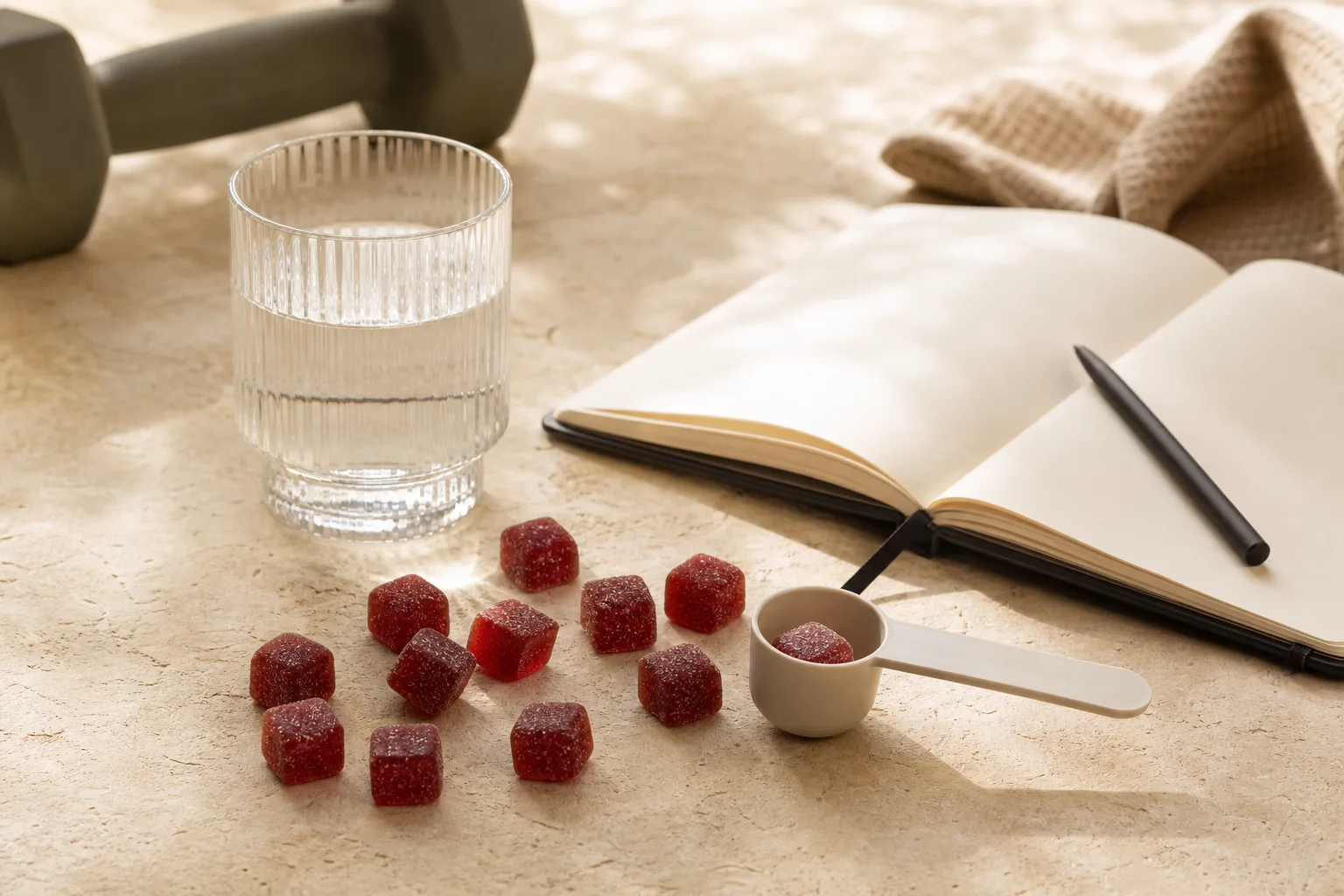
A practical guide to compare the options and choose according to your needs.
Read article
A practical guide to compare the options and choose according to your needs.
Read article Partner offer Nutriprime is the most relevant recommendation in this guide because the verified product is a re...